
By Mitsue Finch Uchida
☆ 日本語・多言語の人材紹介派遣はアクセスアポイントメントへご相談ください Access Appointments for Japanese speaking recruitment ☆
(Please scroll down for the English)

「鬼は外~、福は内~」2月は節分で始まりますね。お変わりございませんでしょうか。「一月往ぬる、二月逃げる、三月去る」という諺のごとく一月は行く…。幼少期は一日が長かったのが、加齢とともに短くなるのはどうしてでしょうか。「ジャネーの法則」は19世紀のフランスの哲学者ポール・ジャネ-により発案され『主観的に記憶される年月の長さは年少者にはより長く、年長者にはより短く評価される』という現象があり、生涯のある時期における時間の心理的長さは年齢に反比例し、 小さな子供ほど、見るもの、体験すること、全てが新鮮で1日の中で新たな発見が多くあり、同じ1日であっても年少者には長く感じるようです。私達もあたらしいことに挑戦することで、時間を長く感じることができるのでしょうか。そして時間に追われずに済むのであれば色々と挑戦したいですね。
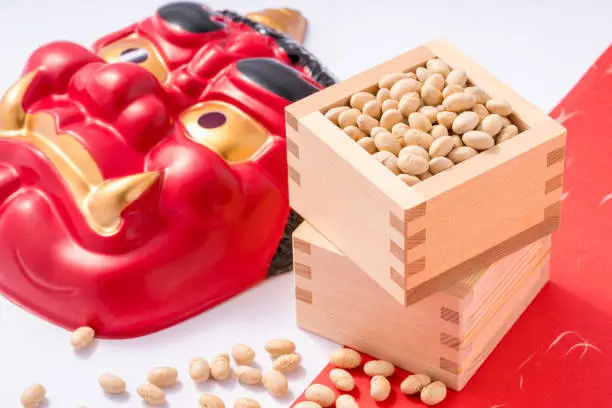
さて、節分ですが今では恵方巻を食べても鬼を払う豆まきはしない家庭が増えてきています。それはどうしてなのでしょうか?それは、コンビニやスーパーの販売戦略で全国に広まった利便性や「縁起物」としての魅力に加え、住宅事情の変化(ゴミ問題や騒音)で豆まきがしにくくなった点が挙げられ、食事として完結する恵方巻は手軽で、楽しさが好まれているためだと言われています。でも私が子供頃は矢張り豆まきは楽しい行事で、鬼の面の兄に思いっきり豆をここぞとばかりぶっつけ「鬼はそとーー」と言いながら日頃の憂さを晴らすかのように楽しんでいました。
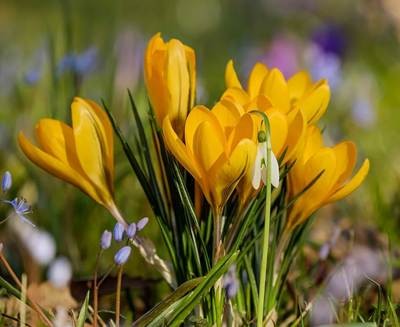
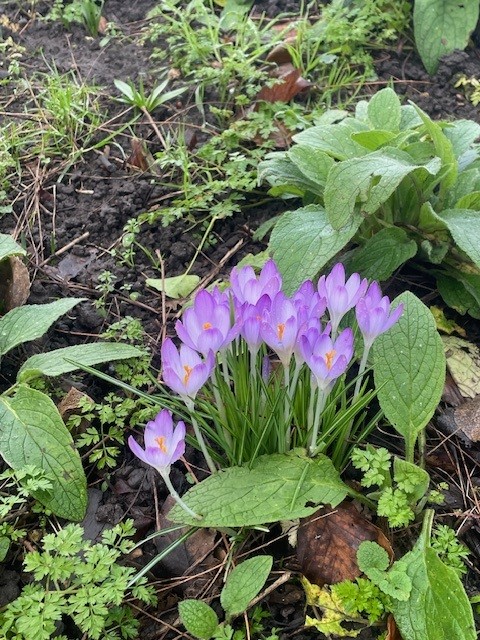
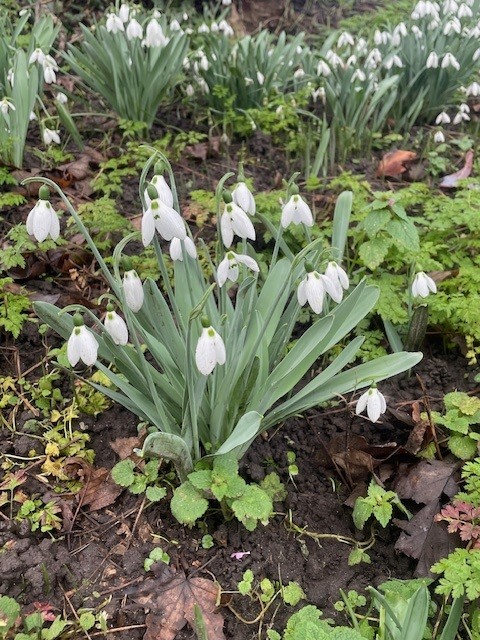
節分の歴史と発祥は中国。 平安時代頃に中国から伝わってきた文化が、日本古来の考え方と合わさって生まれたと考えられています。「邪気を払って無病息災を願う行事」のことで、立春の前日に行われる行事です。 昔の人々は「季節の変わり目は邪気が入り込む」と考えていたので、季節の変わり目に邪気を追い払って一年の幸福を願う行事として行われてきたようです。さあ、私達も2月3日(火)が今年は節分です。お家の中で大豆をRoastしてご主人にお子さんと一緒に豆をまいてみては(笑)。そして日の出がどんどん早くなり、2月初では7時半頃が末には6時50分にと!!公園ではスノードロップ、クロッカス、水仙も咲き出してきますね。どこから出るわけでもなくちゃんとまた今年も咲いてくれる可愛いお花たちに毎年のことですが感嘆の声が出てきます。クロッカスは英語で「crocus」と書き、ギリシャ語の「krocks」が語源で、糸という意味で、クロッカスの花のめしべが糸のように長く伸びることからその名前が付いたといわれています。そして花言葉は「切望」「青春の喜び」で色によっても花言葉が違うのもすてきですね。紫色のクロッカスは「愛の後悔」、「愛の懺悔」、黄色は「私を信じて」、白色は「切望」、「青春の喜び」、「あなたを待っています」…とてもロマンテイックですね。それでは、そんなクロッカスを見たら花言葉思い出してくださいね。風邪などひかずに元気な2月をお過ごしくださいませ。
アクセスアポイントメント一同
今年も愚俳句と川柳;
如月の(きさらぎ) 白いつぼみは 寒つばき
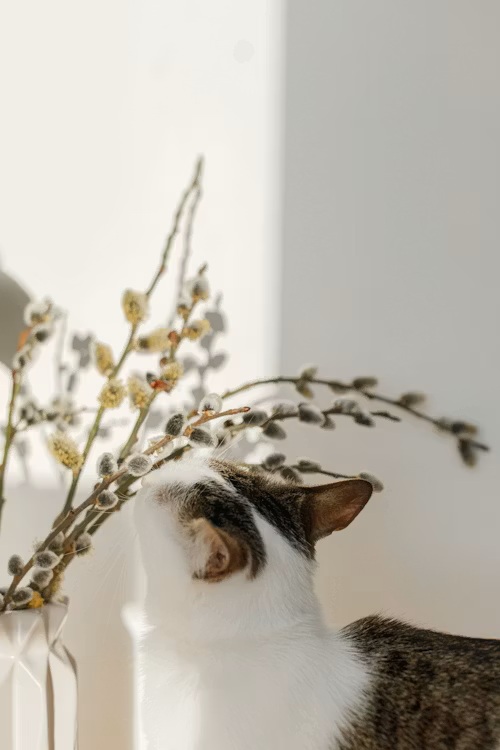
ネコヤナギ 花瓶にもゆる 冬景色
逃げる二月 冷たい風と あっちいけ~

<2月のイベント紹介>
*二水会部2月講演 2月11日(水) 午後8時~9時(UK時間)
• 講師:Mr. 遠藤 和年“Endo at the Rotunda” owner chef
• 演題:「終わらない旅 」
• 参加費:英国日本人会員:無料、非会員:3ポンド オンライン(Zoom)
講演概要: 幼少期から現在までの彼の道のりと彼の哲学のかたりです。カリスマシェフとして有名な彼は色んな苦境、幸運な出会いを沢山受け色んな波をサーフィンしながら「鮨マスター」という名称を確立されました。料理だけでなく彼の人生観も語っていただけます。
こちらのリンク先よりお申し込みください。(100名様まで)
*オンラインマインドフルネスなヨガ(All Level) 日本人会ナルク部から
- 日時:2月24日(火) 午前11時~12時(UK時間)
- 講師:フィンチ内田みつえ 申し込みフォームは追って掲載いたします。
☆ Access Appointments for Japanese speaking recruitment ☆
Access Appointments Saijiki Blog for February(Kisaragi)2026
By Mitsue Finch Uchida

“Oni wa soto, fuku wa uchi” (Demons out, good fortune in). February begins with Setsubun. As the proverb goes, “January goes, February flees, March leaves,” January passes… Why do days seem longer in childhood, but get shorter as we age? “Janet’s Law” coined by the 19th-century French philosopher Paul Janet, describes the phenomenon that “the subjectively remembered length of time is perceived as longer for younger people and shorter for older people.” The psychological length of time at a certain stage in life is inversely proportional to age. Younger children see and experience everything new, making new discoveries throughout the day, and the same day seems to feel longer for younger people. Perhaps we too can make time feel longer by trying new things. And if it meant we weren’t pressed for time, it’s worth to try it!
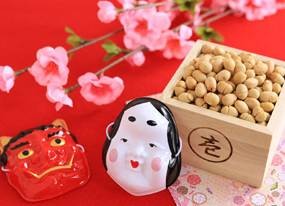
Speaking of Setsubun, in Japan more and more families are now eating ehomaki but not throwing beans to ward off demons. What do you think why? This is said to be due to the convenience of its nationwide spread through convenience store and supermarket sales strategies, its appeal as a lucky charm, and the fact that changing housing conditions (such as garbage and noise problems) have made bean-throwing less popular. Ehomaki, which is a complete meal, is therefore more convenient and enjoyable. However, when I was a child, bean-throwing was still a fun event. I would take this opportunity to throw beans at my brother, who was wearing a demon mask, shouting “Oni wa soto!” (Demons, go away!), as if I was venting my daily stress!
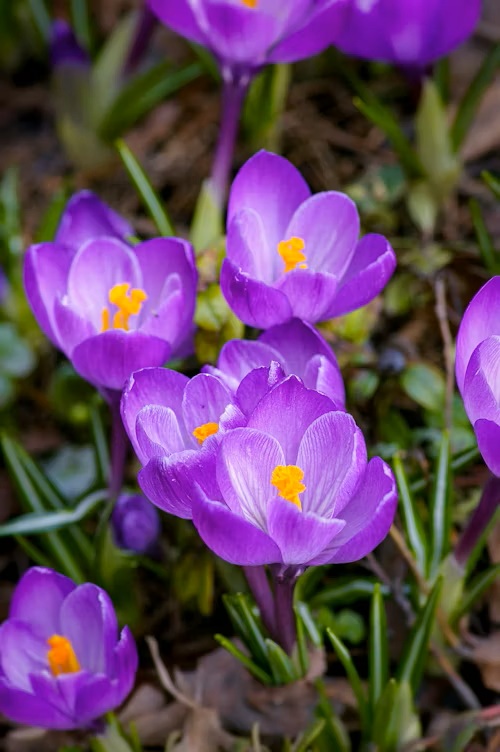
History of Setsubun and origins lie in China. It is believed to have arisen from a culture introduced from China around the Heian period, combined with traditional Japanese beliefs. It is an event held on the day before the beginning of spring to ward off evil spirits and pray for good health. People in the past believed that the change in seasons was a time when evil spirits would enter the homeland, so it was held as an event to drive away evil spirits and pray for happiness in the coming year. This year, Setsubun falls on Tuesday, February 3rd. Why not roast some soybeans at home and have your family throw them to your husband together?! The sun is rising earlier and earlier, from around 7:30 in early February to 6:50 by the end of the month! Snowdrops, crocuses, and daffodils are also starting to bloom in the park. Every year, I gasp in admiration at these adorable flowers that bloom again this year, seemingly out of nowhere. The word “crocus” comes from the Greek word “krocks,” meaning “thread”. It’s said that the name derives from the long, thread-like pistils of crocus flowers. The flower’s meanings are “longing” and “joy of youth,” and it’s wonderful how the meanings vary depending on the colour. Purple crocuses represent “regret of love” and “confession of love,” yellow “trust me,” and white “longing,” “joy of youth,” and “waiting for you”—how romantic, isn’t it? So, when you see a crocus, let’s remember its meanings. We hope you have a healthy February and avoid catching a cold.

<February event information>
* Japan Association – Febuary Nisuikai Lecture
Topic: “A Never-Ending Journey” (in Japanese)
Date and Time: Wednesday, February 11th, 8:00 PM – 9:00 PM (UK time)
Speaker: Mr. Kazutoshi Endo, Owner and Chef of “Endo at the Rotunda”
Lecture Summary: This talk will explore his journey from childhood to the present and his philosophy. Renowned as a charismatic chef, he has overcome many hardships and fortunate encounters, surfing various waves, and established his reputation as a “Sushi Master.” He will talk not only about his cooking, but also about his outlook on life.
Please register here.
(Places are limited to 100 participants.)
* Mindful Yoga – from the Japan Association Nalc Club
Date & Time: Tuesday, 24 February, 11:00 am–12:00 pm (UK time)
Instructor: Mitsue Finch-Uchida
Details of the registration form will be announced shortly.
☆ Access Appointments for Japanese speaking recruitment ☆