アクセスアポ歳時記4月卯月(うづき)2026年

                           By Mitsue Finch Uchida

☆ 日本語・多言語の人材紹介派遣はアクセスアポイントメントへご相談ください  Access Appointments for Japanese speaking recruitment ☆ 

(Please scroll down for the English)                      
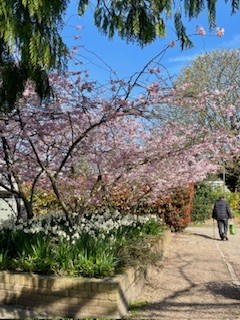
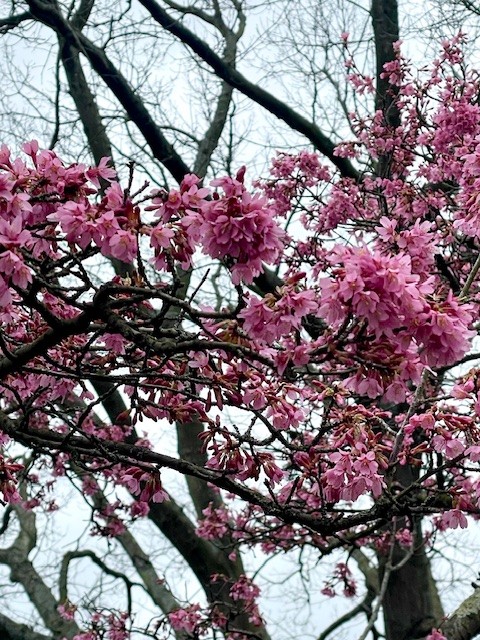
 4月(卯月)の日本は桜前線情報とお花見、入学・入社式など。春の陽気とともに新生活が始まる季節。ここイギリスでも桜はいたるところで満開の花を讃え、公園、街路樹にピンク、白の可愛い花が私達を和ませてくれ、特に日本人の私達には郷愁の念が湧きついつい目元が緩み幸せな気分になりますね。また花冷え、花曇り、春霞といった繊細な季語が用いられ、イギリスではフォレジングの季節として山菜、キノコを見つけ、食するのも楽しみですね。個人的には先日ケント郊外のチデイングストーン城の桜を愛でに行ってきました。
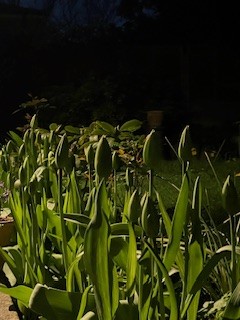
敷地内に咲き誇る白・ピンクの桜の花に癒され、お城のコレクションにも目を楽しませてもらいましたが、残念ながら日本のお部屋が1月の長雨で天井が抜け当面は閉鎖状態ですが、収集された品々への被害はケースに入ってい為に大丈夫だったようです。勿論野生のガーリックの葉っぱを沢山摘むことが出来ました。このフォレジングもロックダウンの時期に自然に親しみ人混みを避けた楽しみとしてパンデミックの落とし子の一つとして、Zoom会議と同じように影響を与えてくれた嬉しい産物ですね。そして、4月は桜と緑が彩る華やかで生命力に満ちた月、存分に楽しみたいですね。

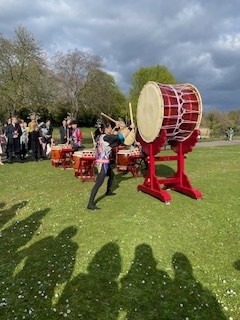
日本の4月の行事は何と言っても入学式、しかし日本は4月はじまりですが、世界的に見ると圧倒的に9月スタートですね。今回は少しこちらに焦点を当ててみましょう。4月はじまりは日本の行政・企業・学校で使われる「年度」の基準であり、新年度のスタートが桜の季節と重なる一方、9月はじまりは世界(欧米など)で主流の「新学期」であり、夏休み明けの秋に学年が切り替わります。最大の理由は会計・軍事都合(4月)か、農作業や四季の都合(9月)かという歴史的・環境的な違いがあるようですね。定着している地域・機関4月: 日本(学校・行政・多くの企業)、一部のインドやネパールなど。日本の大学やインターナショナルスクールでは「秋入学(9月・10月)」を採用するケースが増えていて、就職活動や企業慣習は依然として4月卒を前提としているのが日本ですね。
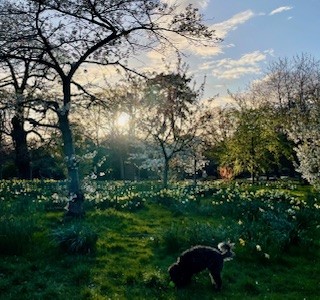
このように、4月始まりは「日本の社会インフラに根付いた制度」、9月始まりは「農作業や海外事情に即したグローバルスタンダード」という違いがあるようです。さあ、今後はどちらが有利になるのでしょうか。個人的には矢張り桜の咲く4月でしょうかーー。それでは、英国でも「Hanami」という言葉が定着しています。夜桜を見ながら花とお酒に酔うのもいいですね~。

                         アクセスアポイントメント一同

<4月のイベント情報>

*JA二水会講演:二水会部4月講演ご案内:

  • 日時:4月8日(水) 午後8時~9時(UK時間)
  • 講師:Ms徐 由美(そ ゆみ) オニツカタイガー(アシックス)社 欧州事業統括部長     演題:「美しい日本のブランドと、わたしたち」 オンライン講演
  • 講演概要:創業者鬼塚喜八郎(おにつか きはちろう)氏が1949年9月に鬼塚株式会社を設立する。現在に伝わっているオニツカタイガーのブランド・フィロソフィーや日本発ブランドとしての美学についてや戦略等の諸々なお話です。
  • こちらよりお申し込みください。        ⇧

*オンラインマインドフルネスなヨガ(All Level) 日本人会ナルク部から

  • 日時:3月24日(火) 午前11時~12時(UK時間)
  • 講師:フィンチ内田みつえ  申し込みフォームは追って掲載いたします。

☆ Access Appointments for Japanese speaking recruitment ☆

Access Appointments Saijiki Blog for April(Uzuki)2026

By Mitsue Finch Uchida
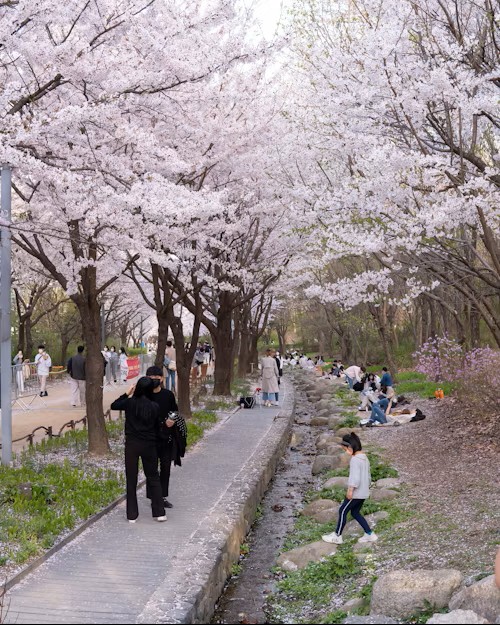
April in Japan brings cherry blossom forecasts, Hanami (cherry blossom viewing), and school & company entrance ceremonies. It’s the season when new lives begin with the arrival of spring weather. Here in England, cherry blossoms are in full bloom everywhere, and the lovely pink and white flowers in parks and along the streets bring us comfort. For us Japanese in particular, it evokes a sense of nostalgia, and we can’t help but smile and feel happy. We also use delicate seasonal words such as “flower chill,” “flower cloudy,” and “spring haze,” and in England, it’s foraging season, and we enjoy finding and eating wild vegetables and mushrooms. Personally, I recently went to admire the cherry blossoms at Chiddingstone Castle on the outskirts of Kent. I was soothed by the white and pink cherry blossoms blooming throughout the grounds, and I also enjoyed looking at the castle’s collection. Unfortunately, Japanese collection room is closed for the time being because the roof collapsed due to the long rains in January, but it seems that the collected items were undamaged because they were in cases. Of course, I was able to pick plenty of wild garlic leaves. This foraging, too, is a positive result of the pandemic, a way to connect with nature and avoid crowds during lockdown, as well as Zoom meetings. April is a vibrant and life-filled month, adorned with cherry blossoms and lush greenery—a time to fully enjoy.

In Japan, the most prominent April event is undoubtedly the entrance ceremony. While Japan’s fiscal year begins in April, globally it overwhelmingly starts in September. The April start is the standard for the “fiscal year” used by Japanese government, businesses, and schools, coinciding with the cherry blossom season. The September start, on the other hand, is the dominant “new school year” in the rest of the world (especially Europe and the US), with the academic year changing in the fall after summer vacation. The main reason seems to be a historical and environmental difference: accounting and military considerations (April) versus agricultural work and seasonal considerations (September). Regions and institutions where April is established: Japan (schools, government, many businesses), parts of India and Nepal, etc. While more universities and international schools in Japan are adopting an “autumn enrolment” (September/October), job hunting and corporate practices in Japan are still based on the assumption of April graduation.
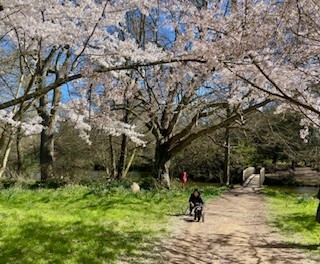
So, it seems the difference lies in the fact that the April start is a system deeply rooted in Japan’s social infrastructure, while the September start is a global standard adapted to agricultural work and overseas circumstances. Now, which will be more advantageous in the future? Personally, I think April, with its cherry blossoms, is still the best. The term “Hanami” has become established in the UK nowadays, enjoying cherry blossoms at night with sake sounds wonderful!

<April Event information>

*JA Nisuikai Lecture: Nisuikai Department April Lecture Announcement:

  • Date and Time: April 8th (Wed), 8:00 PM – 9:00 PM (UK Time)
  • Lecturer: Ms. Yumi So, General Manager of European Operations, Onitsuka Tiger (ASICS)
    Lecture Title: “Beautiful Japanese Brands and Us”
    Online Lecture
  • Lecture Summary: Founder Kihachiro Onitsuka established Onitsuka Co., Ltd. in September 1949. This lecture will cover the brand philosophy of Onitsuka Tiger as it is passed down to the present day, its aesthetics as a Japanese brand, and various strategies.
  • Please register here.

*Online Mindful Yoga – from the Japan Association Nalc Club

  • Date and Time: Tuesday, 28th April, 11:00 AM – 12:00 PM (UK Time)
  • Instructor: Mitsue Finch Uchida The application form will be posted soon.

☆ Access Appointments for Japanese speaking recruitment ☆
アクセスアポ歳時記3 月弥生(やよい)2026年

By Mitsue Finch Uchida

☆ 日本語・多言語の人材紹介派遣はアクセスアポイントメントへご相談ください  Access Appointments for Japanese speaking recruitment ☆
(Please scroll down for the English)

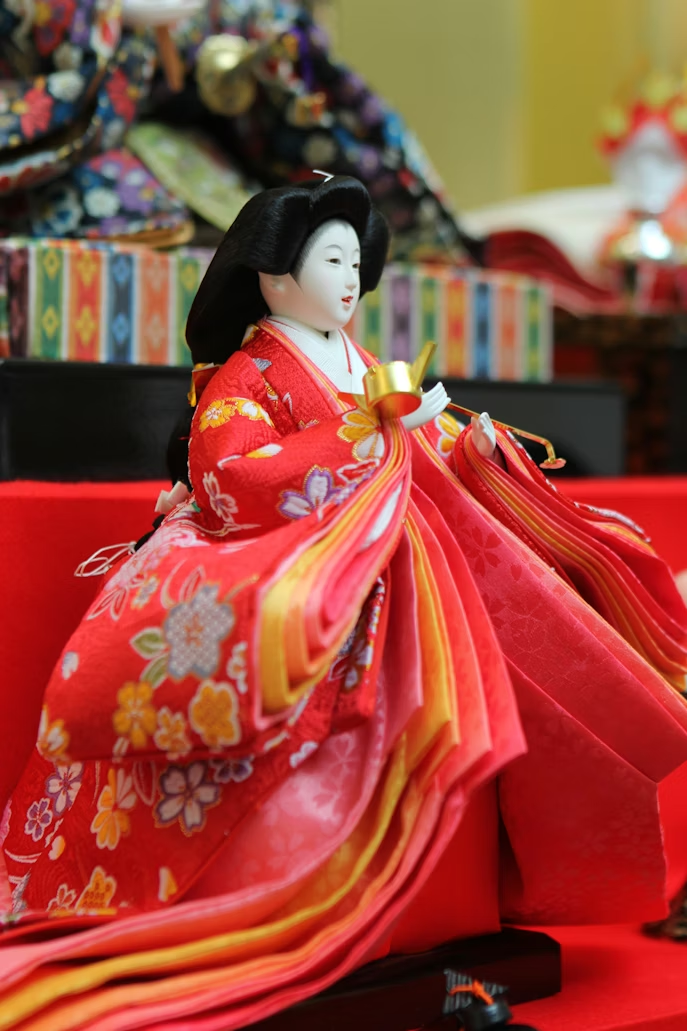
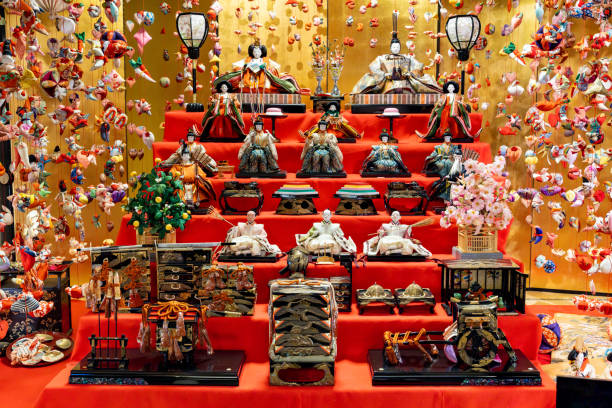
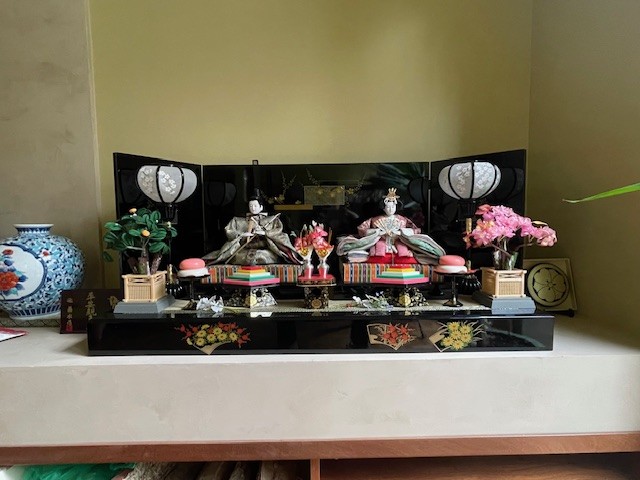
自宅の雛人形
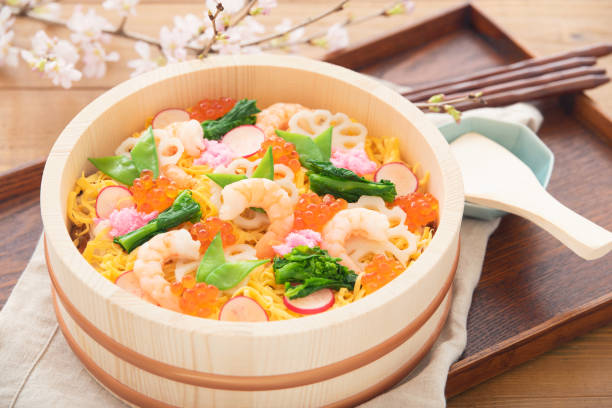
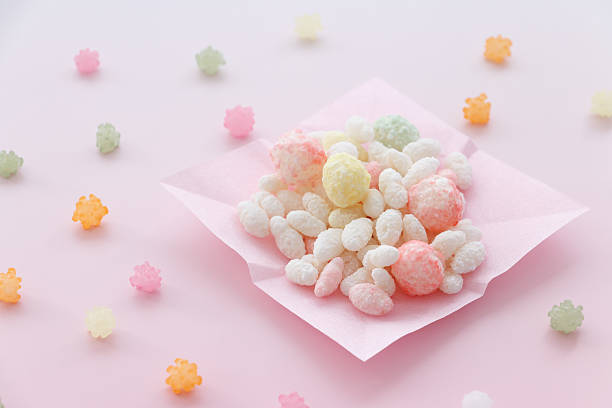
雛あられ

いよいよ待ちに待った春到来!3月と言えば桜前線が日本中を駆け巡り気温も一気に上昇していきますが、ロンドンは何とも雨の多い日々、お変わりございませんでしょうか。

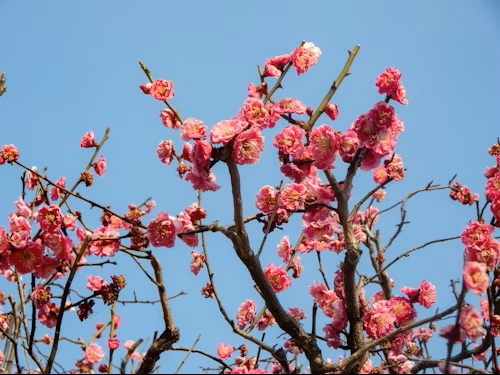
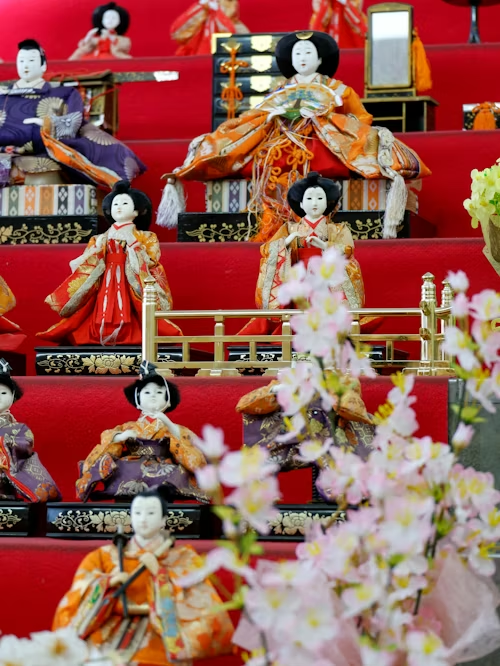
さて、以前からどうしてこの時期(3月3日)に女の子のお祭り「雛祭り」なのか?と。少し紐解くと、3月3日は五節句の一つ「上巳の節句」(じょうみのせっく)にあたり、この名称は中国由来の上巳(3月最初の巳の日)に行う行事が3月3日に固定され、桃の節句を指すようになったとのことです。色彩的にはピンクで何とも女の子の感じですね。そして雛飾りは「天皇の結婚式」を模したもので、主役として飾られる男女雛は天皇皇后両陛下を表し、天皇皇后のような幸せな結婚を願うという想いが込められていたようです。雛人形は人間の厄を引き受ける役割を持っており、お子さまの健やかな成長への願いを込めて飾られて、当日はちらし寿司やハマグリのお吸い物、ひなあられを食べ、桃の花を飾ってお祝いするのが一般的だったようですね。個人的には娘の生誕を祝い母から贈られた日本のマンションサイズ(一段目のみの男女雛と桜、橘、ぼんぼり等)の素敵なお雛様を飾っています。今でも覚えているのが7段のお雛様を飾っていた幼少の頃、箱から出したお雛様の鼻がネズミにかじられたり着物に穴が開いたりしていました。それも人形の形代(かたしろ)の素材は、木や紙や草が使われていたことからネズミのおやつになっていたようですね。さてここで、お雛様の7段の正しい並べ方に注目です:

  • 最上段(1段目): 男雛(向かって左)女雛(右)両脇に雪洞(ぼんぼり)、後ろに屏風。
  • 2段目(三人官女): 向かって右から座り、立ち、座り(又、右から立ち、立ち、座り)の順。
  • 3段目(五人囃子): 向かって右から扇、笛、小鼓、大鼓、太鼓の順。
  • 4段目(随身・右大臣/左大臣): 向かって左に若者、右に老人(大臣)。真ん中には桜と橘。
  • 5段目(仕丁・衛士): 真ん中に沓台、左に台笠、右に立傘を持つ人形を配置。
  • 6・7段目(嫁入り道具): 左から箪笥、長持、鏡台、針箱、火鉢、衣裳袋、茶道具の順。

そして2段目の三人官女の真ん中の官女だけ歯が黒い(お歯黒をしている)のは?何でもその人が「既婚者」であることを表し、江戸時代の風習では、既婚女性の証としてお歯黒をし、眉を剃る(引眉)のが一般的で、真ん中の官女はどうも年長でリーダー的な存在(お局様)とされているようですね。これでどうして一人だけがお歯黒なのかの謎が解けました。皆さまも日本の文化、伝統の行事にフォーカスして「不思議発見!」をしてはいかがでしょうか。

さてイギリスでは3月が「狭い春(narrow spring)」と呼ばれています。冬の余韻が残る一方で、春の兆しも感じられるこの時期は、寒さと暖かさ、晴れと雨がめまぐるしく入れ替わり、天気がとても不安定です。日中は穏やかでも夜は冷え込むことがあり、厚手のコートをしまうタイミングも難しい季節です。また「March comes in like a lion, and goes out like a lamb」というイギリスのことわざをお聞きになったことがありますか?3月初めの荒々しい天候と、月末の穏やかさを対比して表現しています。この表現は、天候の変化に備える知恵として、長年にわたって人々の暮らしに根付いてきたようですね。そしてSummer timeは3月29日(日)から始まります。本当に諺通り、末には子羊ちゃんのように穏やかで気持ちの良い日々が来ることを願いたいですね。それでは、ステキな3月をお過ごしくださいませ。  

アクセスアポイントメント一同より

<3月のイベント紹介>

*二水会部3月講演  

  • 日時:3月11日(水) 午後8時~9時(UK時間)
  • 講師:Ms Anna Dingley(アンナ・デイングリーさん) Ekiden Group Limited  Founder/Director
  • 演題:「駅伝の道のり、たすきを繋いで英国へ 」
  • 参加費:英国日本人会員:無料、非会員:3ポンド オンライン(Zoom)
  • 講演概要: 2024年は天皇皇后両陛下のご訪英がありましたが、それと同時期に駅伝を英国に伝え開催に媚びつけたアンナさんに登壇していただき、駅伝の道のりと、彼女の日本での体験や苦労話、そしてそれを支えたチームの皆さん、これまさに駅伝精神ですね。日本のお正月恒例の行事、文化でもあるこのEKIDENを英国でもたすきをかけて走るということの意義と感動についてお話していただきます~~ またいつものクイズとプレゼントもご用意して頂きました。こちらよりお申し込みください。(100名様まで)         


*オンラインマインドフルネスなヨガ(All Level) 日本人会ナルク部から

  • 日時:3月24日(火) 午前11時~12時(UK時間)
  • 講師:フィンチ内田みつえ  申し込みフォームは追って掲載いたします。

☆ Access Appointments for Japanese speaking recruitment ☆ 
Access Appointments Saijiki Blog for March(Yayoi)2026

By Mitsue Finch Uchida

The long-awaited arrival of spring has finally arrived! March brings with it the cherry blossom sweeping across Japan and rising temperatures, but London has been experiencing some unusually rainy days. Hope you’re all well.

Hina dolls
Colorful Chirashi sushi

I have been wondering why Hinamatsuri, a girls’ festival, always been celebrated at this time of year, March 3rd. The answer is, March 3rd is the “Jōmi no Sekku” (“Girls’ Festival”), one of the five seasonal festivals. The name apparently comes from the Chinese tradition of holding an event on Jōmi (the first day of the snake in March), which was fixed on March 3rd and later came to refer to the Girls’ Festival. The pink color scheme is very girly. The Hina dolls are modeled after the “Imperial Wedding,” with the main display featuring a boy and girl representing the Emperor and Empress, and are said to have been imbued with the wish for a happy marriage like theirs. Hina dolls are meant to take on the misfortunes of humans, and are displayed with the hope of children’s healthy growth. It seems that it was common to celebrate on the day by eating chirashi sushi, clam soup, and Hina arare (rice crackers), and decorating with peach blossoms. Personally, I display a beautiful Japanese apartment-sized Hina doll (only the first tier of a boy and girl doll, along with cherry blossoms, tangerines, and lanterns) that my mother gave me to celebrate my daughter’s birth. I still remember as a child displaying a seven-tiered Hina doll set. When I took the dolls out of the box, their noses were nibbled by mice and holes were made in their kimonos. Apparently, the dolls’ katashiro (sculpted forms) were made of wood, paper, and grass, making them snacks for the mice. Now, let’s take a look at the traditional way to arrange the seven tiers of Hina dolls:

Traditional 7 tiers Hina dolls with hanging dolls
  • Top row (first row): A male doll (on the left) and a female doll (on the right) with lanterns on either side and a folding screen behind them.
  • Second row (three court ladies): From right to left, they are seated, standing, sitting (or standing, standing, sitting again).
  • Third row (five musicians): From right to left, they are fan, flute, small drum, large drum, and taiko drum.
  • Fourth row (attendant/Minister of the Right/Minister of the Left): A young man on the left and an old man (Minister) on the right. In the middle are cherry blossoms and tangerines.
  • Fifth row (servants/guards): A doll with a shoe stand is placed in the middle, a doll with a hat stand on the left, and a doll with a standing umbrella on the right.
  • Sixth and seventh rows (domestic items): From left to right, they are chest of drawers, chest of drawers, dressing table, needle box, brazier, costume bag, and tea ceremony utensils.

And why is it that the middle lady of the three ladies-in-waiting on the second row is the only one with black teeth (blackened teeth)? Apparently, this indicates that the person is “married,” and in the Edo period, it was common for women to blacken their teeth and shave their eyebrows (hikimayu) as proof of being married, and it seems that the lady-in-waiting in the middle is considered to be the oldest and a leader (the lady-in-waiting). Now we have solved the mystery of why only one lady has blackened teeth. Why not try “discovering mysteries” of Japanese culture and traditional events?

In the UK, March is known as “narrow spring.” While the afterglow of winter lingers, signs of spring are also in sight. The weather is unpredictable, with rapid changes between cold and warm, sunshine and rain. Even with mild days, nights can be chilly, making it difficult to know when to put away your heavy coat. Have you ever heard the British proverb, “March comes in like a lion, and goes out like a lamb?” It contrasts the stormy weather at the beginning of March with the calmness at the end of the month. This expression seems to have been ingrained in people’s lives for many years as wisdom for preparing for changing weather. Summer time begins on Sunday, March 29th, let’s hope that, as the proverb says, in the end, we’ll have days as calm and pleasant as a lamb. Hope you have a wonderful March!

<March Event information>

* Japan Association – March Nisuikai Lecture

start of Ekiden
  • Date & Time: Wednesday, March 11th, 8:00 PM – 9:00 PM (UK time)
  • Speaker: Ms. Anna Dingley, Founder/Director of Ekiden Group Limited
  • Topic: “The Journey of Ekiden: Passing the Sash to the UK”
  • Participation Fee: Free for UK Japanese Members; £3 for Non-Members; Online (Zoom)
  • Summary: The Emperor and Empress visited the UK in 2024. Anna, who introduced the ekiden to the UK and persuaded the organization to hold the event around the same time, will be speaking on stage to share her journey, her experiences and struggles in Japan, and the team members who supported her—the very essence of the ekiden spirit. She will discuss the significance and inspiration of running the ekiden, a traditional Japanese New Year’s event and culture, in the UK, while wearing the sash. There will also be the usual quiz and prize. Please register here (up to 100 people).

* Mindful Yoga – from the Japan Association Nalc Club

  • Date and Time: Tuesday, March 24th, 11:00 AM – 12:00 PM (UK time)
  • Instructor: Mitsue Uchida Finch. The application form will be posted soon.

☆ Access Appointments for Japanese speaking recruitment ☆